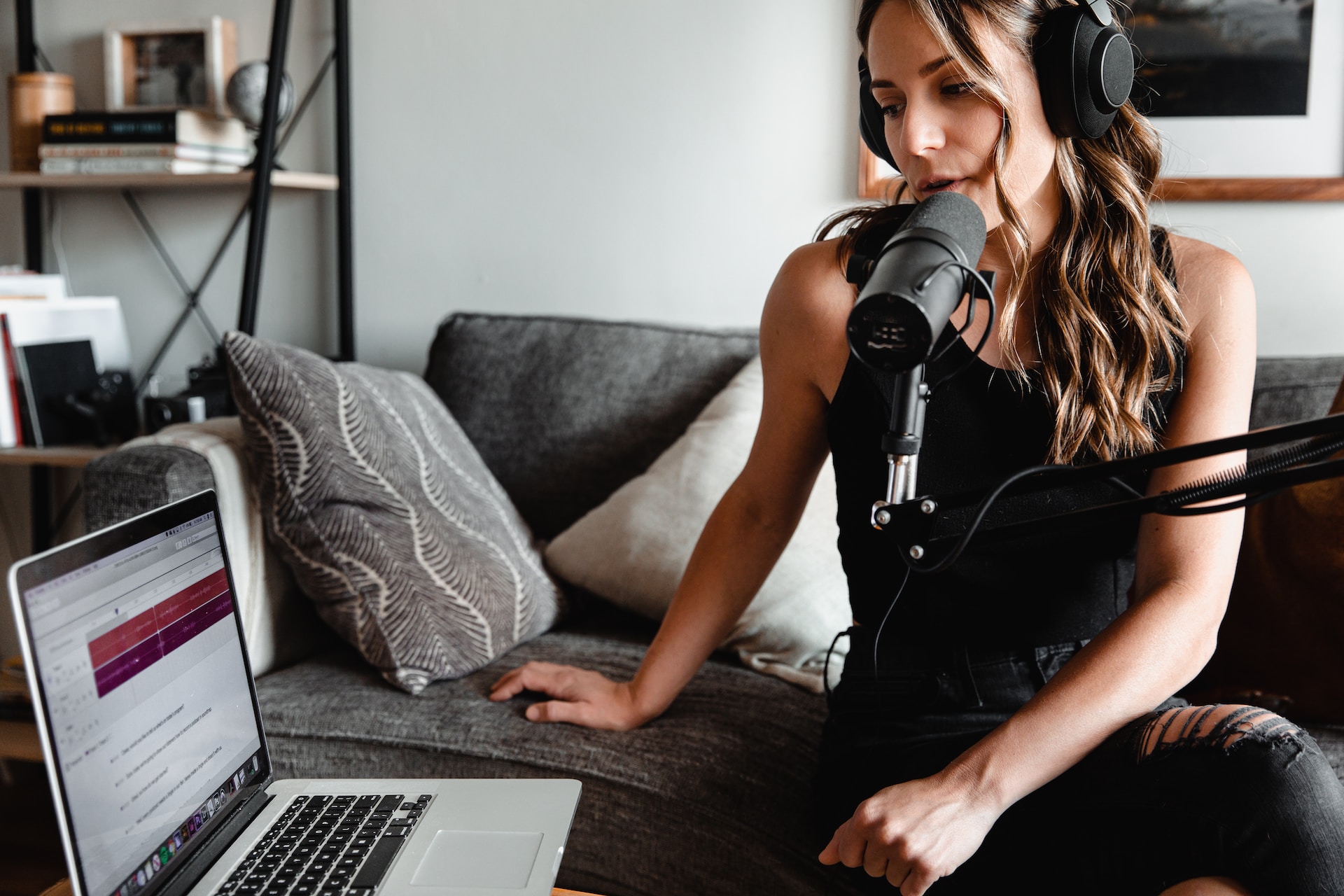
Ready to start your podcast on business? This step-by-step guide will walk you through everything you need to know to get started and succeed. Lets get started you podcast business.

Starting your own business podcast can be a rewarding and effective way to connect with your target audience, establish your authority in the industry, and even generate new business opportunities. However, getting started may seem overwhelming if you’re unsure of the steps involved. Fear not! In this step-by-step guide, we’ll walk you through the process of starting your own business podcast, from planning and preparation to recording and promoting.
Contents
- 1 Step 1: Define Your Podcast on Business Purpose and Audience
- 2 Step 2: Choose a Name and Format
- 3 Step 3: Gather the Right Equipment
- 4 Step 4: Choose a Podcast Hosting Platform
- 5 Step 5: Plan Your Episodes and Create an Outline
- 6 Step 6: Record and Edit Your Episodes
- 7 Step 7: Create Engaging Podcast Artwork and Intro Music
Step 1: Define Your Podcast on Business Purpose and Audience
Before diving into podcast production, it’s essential to clarify the purpose and target audience of your podcast. Determine the topics you want to cover, the value you want to provide to your listeners, and the niche or industry your podcast will focus on. By defining your podcast’s purpose and audience, you can create content that resonates with your listeners and attracts a loyal following.
Step 2: Choose a Name and Format
Next, brainstorm a catchy and memorable name for your podcast that reflects its theme and appeals to your target audience. Ensure that the name is unique and not already in use by another podcast. Additionally, decide on the format of your podcast, such as solo episodes, interviews, panel discussions, or a combination of these. The format should align with your content goals and the preferences of your audience.
Step 3: Gather the Right Equipment
To produce a high-quality podcast, you’ll need some essential recording equipment. Invest in a good microphone to ensure clear audio. USB microphones like the Blue Yeti or Audio-Technica ATR2100x are popular options for beginners. You’ll also need headphones to monitor your audio while recording, a pop filter to minimize plosive sounds, and a microphone stand or boom arm for stability.
Step 4: Choose a Podcast Hosting Platform
A podcast hosting platform is where your audio files will be stored and distributed to podcast directories like Apple Podcasts, Spotify, and Google Podcasts. There are several hosting platforms available, such as Libsyn, Podbean, and Anchor. Compare their features, pricing, and ease of use to choose the one that best suits your needs. Consider factors like storage space, analytics, monetization options, and the ability to schedule and publish episodes.
Step 5: Plan Your Episodes and Create an Outline
Before hitting the record button, outline the structure and key points of each episode. Plan the topics you’ll cover, the order of discussion, and any guest interviews or segments. A well-structured outline ensures a smooth flow of content and keeps you on track during recording. Include an introduction, main content sections, and a conclusion. This will help you deliver value to your audience in a clear and organized manner.
Step 6: Record and Edit Your Episodes
Now it’s time to bring your podcast to life! Find a quiet location for recording, preferably a room with minimal background noise. Connect your microphone to your computer, open recording software like Audacity or Adobe Audition, and start recording your episode. Speak naturally and engage with your audience as if you were having a conversation. Aim for consistency in audio levels and minimize any distractions or interruptions.
Once you’ve finished recording, it’s time to edit your episode. Trim any mistakes, remove background noise, add music or sound effects if desired, and ensure a balanced audio mix. Editing software like Audacity, GarageBand, or Adobe Audition can help you refine your recordings. Pay attention to transitions, pacing, and overall quality to deliver a polished and professional episode.
Step 7: Create Engaging Podcast Artwork and Intro Music
To make your podcast visually appealing and recognizable, design eye-catching artwork that represents your brand and podcast theme. Use graphic design tools like Canva or hire a professional designer to create a logo or artwork that stands out on podcast directories. Additionally, consider creating an intro.
Learn how to not failed starting your business.